The Chronicle here offers a list of films of recent years (clearly incomplete) which have not reached the general public.
*
I. “Arrested” films
[1] A. Alov, V. Naumov: A Nasty Tale (Based on the story by F. Dostoyevsky). Mosfilm, 1966.
[2] Sergei Paradjanov: Kievan Frescoes. Dovzhenko Studio (Kiev), 1966. (not made, banned during pre-production) [1].
[3] G. Poloka: Intervention (Based on the play by L. Slavin). Lenfilm, 1968.
The prints of “arrested” films are stored in the Special Department of the State Committee for Cinematography.
*
II. Films which have not been released
[4] V. Bychkov: Christ’s Second Coming. Belarus-film (Belorussia), 1967. Banned.
[5] Mikhail Kalik: The Price (Based on the play by Arthur Miller). Central Television, 1969. Not passed for showing.
[6] A. Mikhalkov-Konchalovsky: Asya Klyachina (Lame Asya) Mosfilm, 1966.
Full title: “… who was in love but did not marry because she was proud”.
In 1969 the film was given a new sound-track and passed for hire with the title Asya’s Happiness. It has not gone on general release.
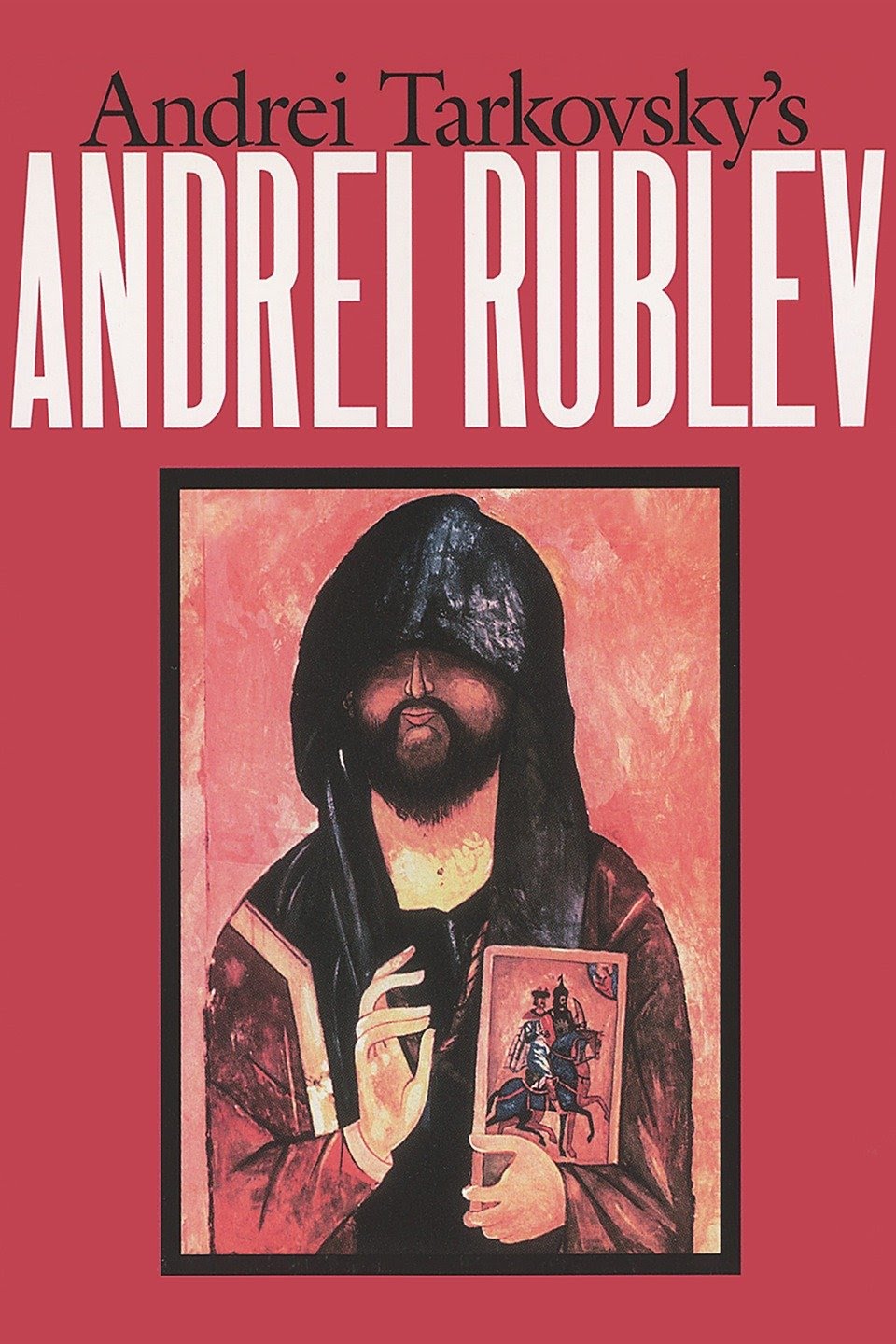
[7] Andrei Tarkovsky: Andrei Rublyov. Mosfilm, 1966.
In 1969 the film was sold abroad and awarded a prize in France. In 1970 A. Romanov, chairman of the State Committee for Cinematography, signed the order allowing prints to be made of the film. It has not been released.
[8] Leonid Pchyolkin: Ballot by Name [Poimyonnoye Golosovaniye]
About the 4th Congress of Soviets, which ratified the 1918 Treaty of Brest-Litovsk [2]. Screenplay by Mikhail Shatrov, M. Ulyanov in the role of Lenin. Central Television, 1967-1969. Showing forbidden.
[9] Leonid Pchyolkin: An Hour in Lenin’s Study.
Screenplay by Shatrov, Mikhail Ulyanov in the role of Lenin. Central Television, 1967-1969. Showing forbidden.
*
III. “Restricted” films
[10] Tengiz Abuladze: Entreaty (Molba). Gruziya-film (Georgia), 1968. Not released in Moscow [3].
[11] V. Derbenev: Cavalier of a Dream, Moldova-film (Moldavia), 1969. Not released in the Soviet capital.
[12] A. Grikevicius, Dausa: Feelings. Vilnius Film Studio, 1969. Ran for three days in one Moscow cinema.
[13] L. Osyka: The Stone Cross. Dovzhenko Studio, 1968. Not released in Moscow.
[14] Sergei Paradjanov: Sayat Nova. Armenfilm (Armenia), 1968.
Released in Armenia in 1969 under the title The Colour of Pomegranates. Passed for exhibition throughout the country. Not released in the Soviet capital (Moscow).
[15] I. Talankin: The Stars by Day (after Olga Berggolts). Mosfilm, 1967.
Ran for three days in three Moscow cinemas and for three days in one Leningrad cinema.
*
IV. A film with a “story”
[16] Mikhail Kalik: To Love … Moldova-film, 1968.
The film was cut without the director’s knowledge and released in the provinces in a distorted form.
When the State Committee for Cinematography refused to remove the director’s name from the credits, on which he insisted, Kalik tried unsuccessfully to take legal action against the Committee.
The version released for hire consisted of less than 1,000 metres of the 15,000 which had been shot, the director retaining 900 metres. The remaining 13,000 metres were seized.
Criminal proceedings were instituted against Kalik for showing his own version of the film (CCE 18.6).
==============================================
NOTES
- Concerning Paradzhanov’s famous “Shadows of Forgotten Ancestors” (1965), also shot in Ukraine, see comment by Valentyn Moroz (CCE 14.12 [1]).
↩︎ - In 1981 a play by Shatrov on the same theme, with Alexander Kalyagin playing Lenin, was performed in Moscow. It was entitled “And thus we shall win!” [Tak pobedim].
↩︎ - This was the first in a trilogy of films by Abuladze (1924-1994).
The last, openly anti-Stalinist film was “Repentance” (Pokayanie), made in 1984. There was a restricted release of the film in 1986; it went on general release in 1987. The second film of the trilogy was “The Wishing Tree” (Drevo zhelaniya), 1977.
↩︎
=======================
 A Chronicle of Current Events