KORNILOV. KOPELEV. POPOVSKY et al.
[1]
On 18 March the Secretariat of the Moscow organization of the Writers Union voted for the expulsion of Vladimir Kornilov, “for behaviour incompatible with the Statutes of the Writers Union”; more specifically, for the publication of a few stories in the journals Grani and Kontinent.
*
The session of the secretariat was directed by the chairman of the Moscow section, Felix Kuznetsov.
All the secretaries joined in the debate, N. Gribachov with particular malice. M. Prilezhayeva said that people such as Kornilov should have their children taken away from them in order to save them and their friends from the influence of anti-Soviet ideology.
Stanislav Kunyayev stated that as much as 17 years ago Kornilov had written a narrative poem giving evidence, in Kunyayev’s opinion, of the author’s Zionist views. (The text has survived of a positive review by Kunyayev written during the preparation of the poem for publication. The poem was not published.)
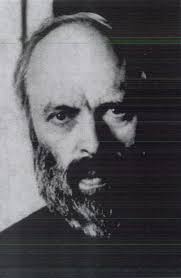
Vladimir Kornilov, 1928-2002
Translator Ya. Kozlovsky told those present that on the day of Konstantin Bogatyryov’s funeral (CCE 42.13) Kornilov had told him: “Kostya [Bogatyryov] was killed by the KGB.” Here Kozlovsky’s account was interrupted by a shout from Gribachov: “Well now, let’s have some witnesses and we’ll arrest him right now!”
Many members of the Secretariat declared that the accusatory nature of their pronouncements had been dictated not by any instructions and not by any order, but by their feelings and convictions.
Vladimir Kornilov is a member of the Soviet Amnesty International group. His signature also stands under many appeals in defence of Soviet citizens repressed for their beliefs.
*
[2]
On 28 March Lev Kopelev was invited to the Secretariat. On 24 March he sent the Secretariat a letter:
“I have been invited to a session of the Secretariat.
“I am in no doubt as to the outcome of the session and can even imagine exactly what the speakers will say. After all, what happened when such well-known writers, loved by many, as Lydia Chukovskaya, Vladimir Voinovich and Vladimir Kornilov were expelled bears witness to the standard insulting procedure that has been worked out.
“The ritual of my expulsion is needed only to formalize the effective dismissal from literary work to which I have been subjected for almost ten years.
“I cannot ask for ‘forgiveness’ since everything that is held against me stems from my awareness of my moral and civic duty. Namely, my defence of the unjustly persecuted and my protests against attempts to revive Stalinism. The texts of my letters, statements and articles and also my book To be Kept for Ever are available to you, and any unprejudiced reader will see how far the anxieties and warnings expressed in them have been confirmed.
“So today I can only repeat once more the puzzling questions:
- Why is the administrative destruction of writers necessary?
- Who will believe that such reprisals help the development of our country’s literature and the activities of a creative union?
- Have the instigators of these reprisals really become so impoverished in memory and imagination that they wish once more to play out the old tragedies, and are not aware that in this way they turn out to look like the cast of a mediocre farce?
“I shall not take part in any sessions of this type. Maybe this will help those of you who think and feel otherwise than is decreed: they will not need to make yet another speech, playing the hypocrite and condemning themselves to repentance at some later time, and to the contempt of their children and grandchildren.
“My only request is that you read this letter.”
*
[3]
On 28 March 1977 Writer Mark Popovsky sent a telegram to the board of the USSR Writers Union:
“A writer for 30 years, author of 17 published books, from this day (28 March 1977) forward I, Mark Alexandrovich POPOVSKY, refuse to consider myself a member of the Writers Union.
“The expulsion of Vladimir Kornilov, the forthcoming expulsion of Lev Kopelev, and also the hounding to which I myself am being subjected do not permit me to remain a member of your organization any longer.”
*
[4]
On 24 March Zviad Gamsakhurdia was expelled from the Georgian Writers Union (this issue “The Arrest of Gamsakhurdia and Kostava”, CCE 45.9).
*
[5]
In January 1977 literary critic Vladimir Solovyov and his wife, journalist Yelena Klepikova, submitted an application to emigrate.
Solovyov and Klepikova told foreign journalists that they were leaving the country due to the intolerable yoke of censorship and to anti-Semitism. They were not given permission to emigrate. In mid-April they announced that they were setting up a news agency and handed to journalists several reports on literary life in the USSR.
On 26 April 1977 Solovyov was expelled from the Writers Union, and Klepikova from the Journalists Union. The activity of their news agency continues.
================================
 A Chronicle of Current Events